Pond Street and South End Green gardeners for tidy ups
Posted on 27/10/2026
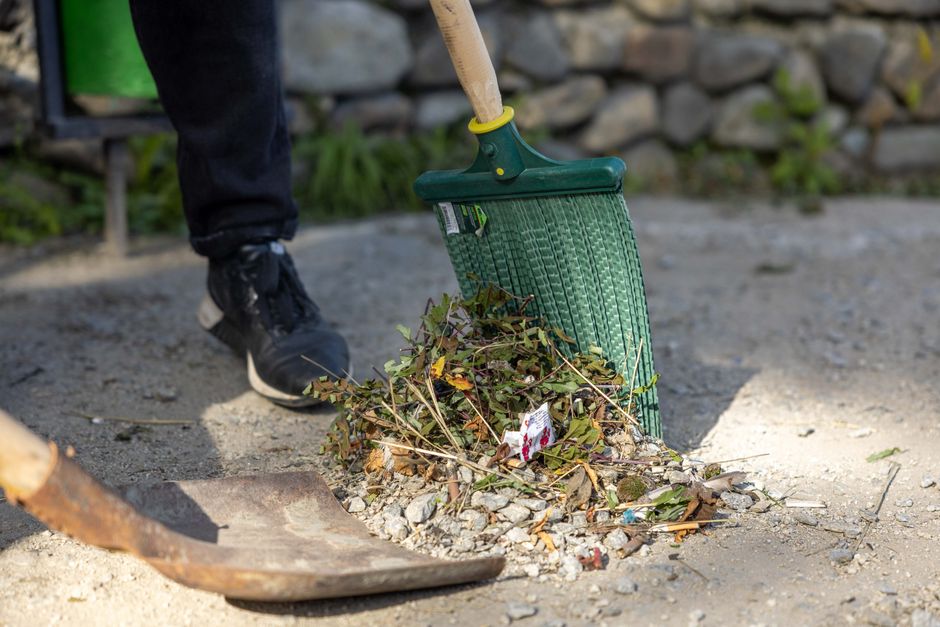
Pond Street and South End Green gardeners for tidy ups: a practical guide to a cleaner, calmer outdoor space
If your garden has slipped from "lived in" to "a bit neglected", you are not alone. Between fallen leaves, scruffy edges, moss on paths, overgrown borders, and the general clutter that builds up after a windy week, even a well-kept outdoor space can start to feel hard to enjoy. That is where Pond Street and South End Green gardeners for tidy ups come in: a straightforward, hands-on service focused on restoring order, improving appearance, and making your garden easier to maintain.
In Hampstead and the surrounding pockets of North London, many gardens are compact, shaded, shared, or simply busy to keep on top of. A proper tidy-up is not just a quick sweep. It can include pruning, border clearing, weed removal, hedge shaping, lawn refreshes, leaf clearance, patio cleaning, and the kind of small finishing touches that make a space feel cared for again. This guide explains how it works, what to expect, and how to get the best result without paying for unnecessary extras.
Why Pond Street and South End Green gardeners for tidy ups Matters
A tidy-up matters because mess in a garden rarely stays cosmetic for long. Leaves collect moisture and turn slippery. Weeds take advantage of gaps. Shrubs creep into paths. Flowerbeds stop looking deliberate and start looking forgotten. Truth be told, once a garden starts to feel cluttered, people use it less, and then it tends to decline faster.
Local gardens around Pond Street and South End Green often have a few classic challenges: shade from mature trees, boundary pressure from neighbouring plots, compact access, and seasonal leaf fall that seems to arrive all at once. A tidy-up responds to those issues in one sweep. It restores structure, reveals the garden's shape again, and helps you see what actually needs attention next.
There is also a practical value beyond appearances. A well-timed tidy-up can make later maintenance easier, reduce the chance of pest harbourage, and give you a clearer read on plant health. For example, if ivy has started creeping under a fence or weeds have settled into a gravel border, a thorough clearance makes it much easier to deal with the root cause rather than just trimming the surface.
If you want to keep momentum after the initial reset, it can help to pair the tidy-up with advice from related reading such as efficient weed management and thoughtful hedge trimming techniques. Those small follow-on habits make a big difference over time.
How Pond Street and South End Green gardeners for tidy ups Works
The process is usually more methodical than people expect. A proper tidy-up is not just "cut everything back and hope for the best". It normally starts with a quick look at the garden's condition, then moves into a prioritised set of tasks based on what will improve the space most efficiently.
Typically, the work is shaped around the season, the size of the garden, and the level of neglect. In spring, the emphasis may be on clearing winter debris, redefining beds, and waking up the lawn. In late summer or autumn, the focus often shifts to leaf clearance, cutting back exhausted growth, and removing anything that could become a nuisance in damp weather.
There is often a sensible order to it:
- Clear loose waste and obvious debris.
- Remove weeds, self-seeded growth, and dead material.
- Prune and shape shrubs, climbers, and hedges where needed.
- Edge borders and lawns to restore definition.
- Rake, sweep, or blow down paths, patios, and hard surfaces.
- Bag and dispose of green waste properly.
- Check for follow-up issues such as pests, ivy, or bare patches.
That sequence matters because it prevents wasted effort. If you cut before clearing, or weed before you can see the border line, you end up doing the same job twice. Not ideal, and a bit annoying if you are trying to keep costs sensible.
A strong tidy-up also makes room for longer-term improvements. For example, if the garden has awkward shade, you might later introduce ground covers or climbers from guides like ground cover planting ideas or hardy climbers for shady spots. That is often the difference between a one-off tidy and a garden that actually stays manageable.
Key Benefits and Practical Advantages
The best tidy-ups do more than make a garden look decent for a weekend. They create breathing room. You can walk through it properly, notice the planting again, and feel like the space belongs to you rather than the other way around.
- Immediate visual improvement: Borders look sharper, lawns feel intentional, and paths stop looking buried.
- Better safety: Removing debris, mossy patches, and clutter reduces slip and trip risks.
- Healthier planting conditions: Air and light can reach shrubs and perennials more easily.
- Less maintenance stress: A reset makes future visits quicker and more affordable.
- Improved seasonal resilience: Tidied gardens are easier to protect from wind, frost, and rain damage.
There is another, quieter benefit that people sometimes forget: the garden starts to feel emotionally usable again. You may not need a full redesign. Maybe you just want to sit with a coffee, hear birds rather than rustling nettles, and not feel embarrassed when the back gate opens. Fair enough, really.
For households that want a lower-effort outdoor routine, it is also worth reading about budget-savvy low-maintenance garden tips and comfortable seating areas that make the garden more usable. Tidy-ups and usability go hand in hand.
| Benefit | What it looks like in practice | Why it matters |
|---|---|---|
| Cleaner appearance | Neat edges, cleared borders, swept paths | Makes the whole space feel cared for |
| Easier upkeep | Less overgrowth and fewer hidden problem areas | Reduces the amount of work next time |
| Healthier plants | Removed dead matter, improved airflow, less competition | Supports stronger growth |
| Better access | Open routes to beds, sheds, and seating | Makes the garden safer and more usable |
| More value from planting | Good plants become visible again | Restores structure and balance |
Who This Is For and When It Makes Sense
Tidy-up work is useful for a surprisingly wide range of people. Some need it after the winter, when the garden has gone soft, damp, and slightly forgotten. Others need it before a property viewing, after a tenancy ends, or ahead of a family event. In our experience, the strongest requests often come from people who simply do not want to start from scratch but do need the place brought back under control.
It is a sensible choice if:
- your garden has become overgrown between seasons;
- you have weeds, ivy, or brambles taking hold;
- the lawn is shabby and the edges have vanished;
- paths, patios, or decking are looking grubby;
- you want the garden to be neat without committing to full landscaping;
- you need a one-off clean-up before guests, photos, or a move.
It is also very useful if you have a shaded or windy plot where growth behaves differently from the "ideal garden" in magazines. London gardens do not always cooperate. One minute everything is climbing away, the next you have wet leaves, patchy grass, and a hedge that has decided to become a wall. Gardening can be like that.
For households with dogs or children, a tidy-up can be especially helpful because it reduces hidden hazards. If that applies to you, these articles may be useful background: making the garden safer for dogs and child-friendly garden ideas.
Step-by-Step Guidance
If you are planning a tidy-up, the best results usually come from a simple, sensible sequence. This is where a little planning saves a lot of effort later.
1. Walk the garden first
Start by looking at the garden as a whole. What is actually bothering you? Is it the weeds, the hedge line, the patio, the lawn, or just the feeling that everything is mixed together? Naming the problem helps avoid paying for work you do not need.
2. Separate urgent tasks from cosmetic ones
Safety issues come first: slippery surfaces, low branches, broken pots, unstable canes, and anything blocking access. Cosmetic jobs like shaping and bed dressing can come after the space is made safe.
3. Clear rubbish and loose debris
Leaves, twigs, dead stems, old plant ties, and forgotten plant supports should go first. Once that layer is off, the real shape of the garden appears. It is often a bit of a reveal moment, actually.
4. Deal with weeds and invasive growth
Hand-weeding, hoeing, cutting back runners, and dealing with problem plants like ivy make the biggest visible difference. If ivy has attached itself to walls or fences, it is worth tackling properly rather than just trimming the top. A more detailed approach is covered in this ivy removal guide.
5. Shape the garden structure
Hedges, shrubs, and climbers need sensible shaping so the garden feels intentional. Don't flatten everything into a box. A good tidy-up preserves the natural character of the plants while restoring order.
6. Finish with the hard surfaces
Patios, paths, steps, and decking often look far better after the soft landscaping has been cleared. Moss, grime, and soil spills can make even a decent garden seem tired. For that stage, a more thorough surface refresh may be needed, such as patio cleaning support or attention to timber areas through decking work.
7. Decide what should follow later
Once the tidy-up is complete, you can see what the garden actually needs next. Maybe it is a new hedge line, maybe a soil refresh, maybe just a better mowing routine. That clarity is valuable. It stops you guessing.
Expert Tips for Better Results
A few small details separate an average tidy-up from a really good one.
- Work from top to bottom: Start with overhanging growth, then shrubs, then borders, then hard surfaces. It saves time and avoids redoing swept areas.
- Keep one eye on regrowth: Fast growers can look neat for a week and then surge back. Trim with the next few weeks in mind.
- Leave structure where possible: Not every stem should be cut to the ground. Some seed heads and stems provide winter interest or shelter.
- Use mulch or compost where bare soil appears: Bare patches invite weeds and look unfinished.
- Think in zones: Front, middle, and back sections may need different amounts of work. A tiny front strip and a shaded rear yard rarely need the same treatment.
If you are working with a garden that is windy, exposed, or difficult to grow in, it helps to plan with conditions rather than against them. Articles on controlling excessive wind and guarding gardens against storms can give you useful follow-up ideas.
And yes, sometimes the best tidy-up tip is the least glamorous one: keep the waste moving. A garden full of half-filled bags and stacked clippings somehow always feels twice as messy. Little things.
Common Mistakes to Avoid
People often assume a tidy-up is simple, but there are a few easy mistakes that can weaken the result or create extra work later.
- Cutting everything back at once: Harsh pruning can leave the garden looking bare and stressed.
- Ignoring roots and runners: Surface tidying without removing the source means the same weeds return quickly.
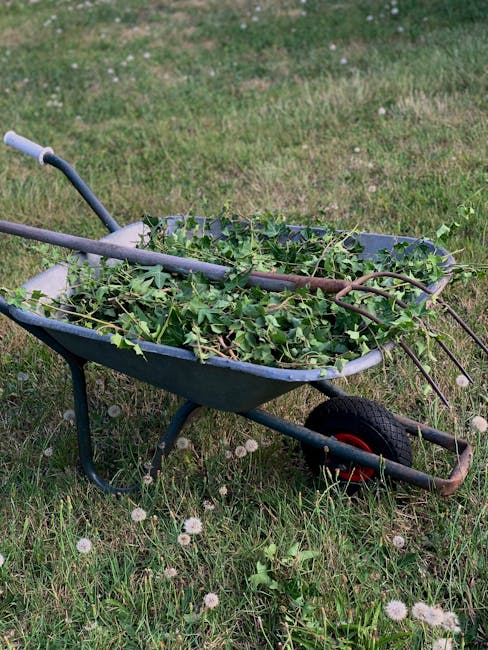
- Leaving green waste on-site too long: It looks untidy and can attract pests or fungal issues.
- Forgetting the drainage picture: If water is pooling or paths are always muddy, the tidy-up will not feel complete.
- Using the wrong tool for the job: A blunt hedge trimmer or poor-quality shears can tear growth rather than cut it cleanly.
Another common error is trying to make the garden look "finished" by over-matching everything. A little irregularity is fine. In fact, it often looks more natural and less forced. Gardens are not showrooms, after all.
Before you book any work, it can also be useful to understand the basics of service quality and what a responsible provider should be comfortable discussing. Reading insurance and safety information and the health and safety policy helps set realistic expectations.
Tools, Resources and Recommendations
You do not need a shed full of specialist kit for a tidy-up, but the right tools matter. Good tools make cleaner cuts, quicker clearances, and a neater finish. They also reduce frustration, which counts for something on a damp Saturday morning.
Useful kit usually includes:
- sharp secateurs for small pruning tasks;
- loppers for thicker stems;
- a lightweight rake or leaf collector;
- hedge shears or a hedge trimmer, depending on the plant and access;
- gloves that actually fit;
- a sturdy broom for patios and paths;
- waste bags or a way to move green waste efficiently.
If you want a more rounded view of what professionals tend to carry, see the essential garden tools guide. For a broader seasonal refresh, this garden makeover starting point is also helpful.
For people who prefer low-input planting after the tidy-up, two practical follow-on topics are soil health and organic residue and protecting plants during winter. Those both support a calmer maintenance routine.
Law, Compliance, Standards, or Best Practice
For a garden tidy-up, compliance is usually less about paperwork and more about responsible working habits. That said, there are still some sensible standards to follow.
First, waste should be handled properly. Green waste, mixed rubbish, and reusable materials should not all be treated the same way. A careful gardener should separate what can be composted, removed, or recycled where appropriate. Second, if work involves ladders, powered tools, heavier cuts, or access near boundaries, safe working practice matters. It is not dramatic to say that a tidy-looking job can hide real risks if the process is sloppy.
In the UK, customers generally expect clear communication about what is included, what is not, and whether the team is insured. That is fair. If you are arranging a tidy-up, it is sensible to ask about insurance, waste handling, and how the work will be completed around pets, children, neighbouring properties, or fragile features.
Best practice also includes respecting neighbours and access. In dense London streets, a neat work area, reasonable noise management, and tidy departure at the end of the job all matter. It's not just about the garden itself; it's about the whole experience.
For transparency around business practices, a reputable provider should also make it easy to review their terms and conditions, privacy policy, and cookie policy. If you are comparing options, you may also want to see how quotes are presented on pricing and quotes.
Options, Methods, or Comparison Table
Not every garden needs the same level of attention. Choosing the right approach keeps the job proportionate. A light tidy can be perfect for a garden that is otherwise healthy. A full reset is better when the space has been left alone for months.
| Approach | Best for | What it usually includes | Main downside |
|---|---|---|---|
| Light tidy-up | Gardens that are mostly maintained | Weeding, sweeping, light pruning, edging | Won't solve deeper problems |
| Seasonal tidy-up | Spring or autumn catch-up work | Leaf clearance, deadheading, border reset, hedge trim | May still need follow-up visits |
| Full garden clearance | Overgrown or neglected spaces | Heavy cut-back, debris removal, weed suppression, waste clearance | More time and usually a higher cost |
| Maintenance-led tidy-up | Ongoing control rather than rescue work | Regular edging, mowing, pruning, surface clearing | Needs consistent scheduling |
If your main issue is lawns, a dedicated service may make more sense than a general clearance. In that case, it is worth looking at lawn mowing support and lawn care options. If the whole garden needs regular upkeep, ongoing garden maintenance can be the more stable route.
Case Study or Real-World Example
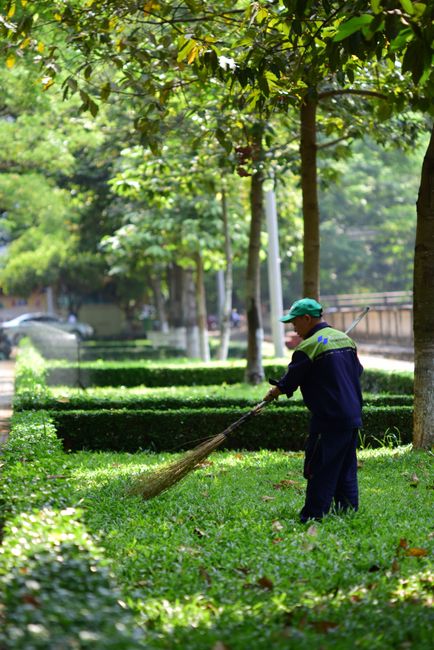
A typical tidy-up request in this part of London often starts with something very ordinary: a busy homeowner notices the back garden has become "good from far away, but not up close". The lawn is uneven, a hedge is leaning slightly too far into the path, and there are weeds along the fence that seem to have appeared overnight. Not dramatic. Just enough to nag at you every time you step outside.
In a recent sort of scenario like this, the work focused on three things: restoring access, cutting back the soft overgrowth, and clearing the patio so the space could be used again. The first pass was all about removal of dead material and weed growth. The second pass was structure: hedge edges, border lines, and lawn definition. The final pass was the outdoor living area, which made the garden feel finished rather than merely "less messy".
What changed most was not only how it looked, but how it was used. The owner stopped avoiding the garden. The children could cross the path without weaving around pots. The whole thing felt calmer. And that is often the point, isn't it? Not perfection. Just a space that works again.
If the garden is also being redesigned for privacy or screening, the tidy-up can be the first step before adding stronger structure through swift-growing hedges or planning a larger refresh with landscaping support.
Practical Checklist
Use this checklist before and after a tidy-up so the job stays focused.
- Walk the garden and note the worst areas first.
- Decide whether you want a light tidy, seasonal reset, or fuller clearance.
- Remove obvious waste, branches, and dead material.
- Clear weeds, ivy, and self-seeded growth.
- Trim hedges and shrubs with the final shape in mind.
- Sweep paths, patios, and decking thoroughly.
- Check for slippery spots, broken items, or hidden hazards.
- Bag green waste and confirm how it will be removed.
- Look at what needs follow-up, such as mowing or soil improvement.
- Make a note of what to monitor in the next two to four weeks.
Useful extra check: If you have pets, children, or frequent visitors, make sure any sharp cuttings, plant debris, or leftover ties are fully cleared. It sounds obvious, but that is exactly the sort of thing people miss when they are in a hurry.
Conclusion
Pond Street and South End Green gardeners for tidy ups are there to help turn an unruly garden back into a usable, welcoming space. The best tidy-up work is practical, measured, and honest about what the garden needs right now. It clears the clutter, restores shape, and gives you a fresh starting point without forcing a full redesign.
If you choose the right level of service, ask sensible questions, and think a step ahead, the result can be surprisingly satisfying. Not flashy. Just solid, clean, and calm. And that is often exactly what people want from their outdoor space in the first place.
Get a free quote today and see how much you can save.
When a garden is back in order, even a small patch of sunlight or a clear path to the back gate feels better. Sometimes that is enough to change how you use the whole place.

Jennifer, a professional gardener with years of expertise, delivers a wide array of landscaping and gardening services. Additionally, her prowess extends to writing, particularly in the domain of Eco-friendly gardening.