Hampstead Heath NW3 gardeners for small garden care
Posted on 11/10/2026
Hampstead Heath NW3 Gardeners for Small Garden Care: Practical, Local Help for Compact Outdoor Spaces
If you are looking for Hampstead Heath NW3 gardeners for small garden care, chances are your outdoor space needs thoughtful attention rather than heavy-handed work. Small gardens can be beautiful, but they ask for a different approach: sharper pruning, smarter planting, cleaner lines, and a bit of restraint. In a compact NW3 garden, every square metre matters. The wrong shrub gets too big, the lawn becomes patchy, the shady corner turns thin and tired, and suddenly the whole space feels smaller than it should. That is exactly where a skilled local gardener can make a real difference.
This guide breaks down what small garden care actually involves, why local knowledge matters in Hampstead Heath and the wider NW3 area, and how to keep a modest garden looking purposeful all year round. You will find practical steps, common mistakes, a useful comparison table, and a checklist you can come back to whenever the beds, pots, or lawn start getting out of hand. Let's face it: a small garden should feel easy to enjoy, not like a permanent weekend project.

Why Hampstead Heath NW3 gardeners for small garden care Matters
Small gardens are often misunderstood. People assume they are simpler than larger plots because there is less ground to cover. In practice, the opposite can be true. A compact garden in Hampstead Heath or NW3 tends to expose every design decision. If one plant is too large, it dominates. If drainage is poor, the whole space feels soggy. If edging is untidy, the garden looks messy at a glance. There is nowhere for problems to hide.
That is why experienced local gardeners matter so much. They do more than cut things back. They help the garden feel balanced, manageable, and suited to its setting. In this part of London, many gardens are enclosed, shaded by buildings or mature trees, and shaped by fences, walls, patios, and narrow side returns. The right care plan has to work with those conditions, not fight them.
There is also a lifestyle element. A small garden often doubles as a place to sit with coffee on a chilly morning, pot up herbs by the back door, or give children and pets a little outdoor breathing space. When it is looked after well, the garden becomes part of the home rather than a separate job. That sounds simple, but in reality it changes how people use the space every week.
If your garden feels tired, cramped, or a bit awkward, it may not need a redesign from scratch. It may just need the kind of ongoing care that knows where to trim, what to keep, and how to make a small space feel lighter. For broader upkeep across the year, many homeowners also combine specialist support with regular garden maintenance in Hampstead.
How Hampstead Heath NW3 gardeners for small garden care Works
Good small garden care starts with observation. Before anything is pruned, planted, or cleaned, a gardener should look at how the space behaves: where the sun lands, where water sits after rain, which borders are overcrowded, and which areas simply need more air and light. That first assessment shapes the rest of the work.
In a typical NW3 small garden, the care plan may include:
- light but regular pruning to keep shrubs compact
- border refreshes with smaller, better-scaled plants
- lawn tidy-ups or replacement with lower-maintenance ground cover
- weed control in paving, gravel, and beds
- container planting for flexible colour and structure
- patio or terrace cleaning to lift the whole space visually
- seasonal adjustments for shade, wind, and winter protection
The key is not to overwork the space. Small gardens usually look best when each element has a clear job. A pot should frame a doorway or soften a step. A climber should hide a blank wall. A compact hedge should create privacy without swallowing the garden. It is a bit like editing a short paragraph: every word has to earn its place.
Local gardeners also tend to think in layers. Ground level, mid-height, vertical space, and overhead cover all matter. If a garden is short on width, vertical planting can add greenery without crowding the floor. A wall can carry a climber, while a bench and a few pots do the rest. For that sort of approach, vertical gardening ideas can be especially useful.
Key Benefits and Practical Advantages
Small garden care is not just about appearances. When done properly, it improves how the garden functions and how easy it is to live with.
- More usable space: trimmed borders, tidy paths, and compact planting make the area feel larger and easier to move through.
- Better plant health: well-spaced plants get more light and airflow, which can reduce disease pressure and weak growth.
- Lower maintenance stress: regular care prevents small issues from turning into bigger jobs, like woody shrubs, tangled ivy, or persistent weeds.
- Better seasonal interest: a small garden can still look good in every season if the planting structure is planned properly.
- Stronger kerb appeal: even a tiny front garden or courtyard can make the whole property feel cared for.
- More comfort and privacy: smart planting, screening, and seating choices make the garden feel like an actual retreat.
A useful rule of thumb: if a garden feels busy, it often needs simplification rather than more decoration. One or two strong focal points usually work better than five competing ideas. A neat line of pots can do more than a cluttered mix of random containers. Honestly, a little restraint goes a long way.
For homes where comfort matters as much as planting, a layout that combines greenery with seating can be a smart move. If you want to think about that side of the garden too, take a look at creating comfortable seating areas.
Who This Is For and When It Makes Sense
This kind of care is a strong fit for a few common situations. You might need it if:
- your garden is under 50 square metres and needs regular shaping
- you have a courtyard, terrace, balcony-style planting area, or narrow rear garden
- you want the garden to look polished without spending every weekend on it
- your current planting has outgrown the space
- shade, wind, or patchy soil is making the garden harder to manage than it should be
- you have just moved into a property and the outside space needs a reset
- you want help keeping patios, paths, beds, and pots in good order throughout the year
It also makes sense if you are at that slightly frustrating stage where the garden is not actually bad, just underperforming. The structure is there, but the details are wrong. The lawn is thin. The beds feel crowded. The soil needs help. The patio looks dull after winter. Small garden care is often the difference between "fine" and "lovely".
Some people try to manage everything themselves until the garden becomes a bit much. Nothing wrong with that. But if the work is starting to pile up, getting expert support early usually saves time and makes the result look calmer. There is no prize for wrestling with a hedge all afternoon and regretting it by tea time.
Step-by-Step Guidance
Here is a practical way to approach small garden care in Hampstead Heath NW3 without making it overcomplicated.
1. Start with a clear reset
Begin by removing obvious clutter, broken pots, fallen leaves, old supports, and anything that blocks movement. Small gardens benefit enormously from a clean baseline. Once the clutter goes, you can see the real shape of the space again. That first visual reset is often surprising.
2. Assess light, shade, and wind
NW3 gardens can be quite mixed. One corner may be bright and sheltered while another stays damp, windy, or in shade for most of the day. This matters more than many people expect. Plants chosen for a sunny terrace may sulk in a shaded side return. If you have darker areas, it is worth exploring hardy climbers for shady spots instead of forcing sun-loving plants to cope.
3. Reduce visual bulk
Cut back overgrown shrubs, self-seeded plants, and anything that blocks sightlines. In a small garden, the goal is not always more plant mass. Often it is more breathing space. A well-trimmed border edge and a clear path can make the whole garden feel twice as generous.
4. Rebuild planting by height
Choose plants with different levels: low ground cover, mid-height structure, and one or two vertical accents. This gives the garden rhythm without overcrowding. Ground cover can be especially helpful where bare soil keeps drying out or weeds keep returning. For ideas, browse ground cover planting ideas.
5. Add containers where flexibility is needed
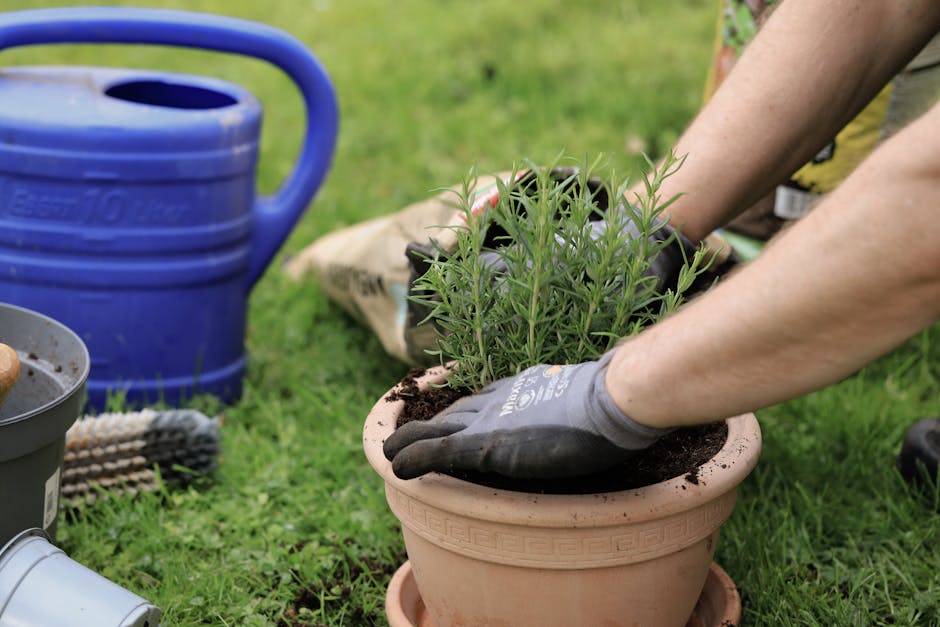
Containers are brilliant in small gardens because they let you change the layout without major disruption. They are also ideal for renters, patios, and awkward corners. A pair of matching pots can anchor an entrance, while a single larger container can hide a plain wall. If you are starting from scratch, container gardening in pots is a sensible place to begin.
6. Sort the hard surfaces
Patios, decking, and paths take up a lot of visual space in compact gardens, so they need to look cared for. Mould, moss, and leaf stains make a small area feel older and darker than it really is. A proper clean can transform the whole mood. For that kind of work, patio cleaning in Hampstead often pairs well with garden tidy-ups.
7. Set a maintenance rhythm
Small gardens do best with regular, lighter visits rather than rare, dramatic interventions. That might mean weekly or fortnightly tidy work in peak growing season and seasonal reshaping through the colder months. With the right rhythm, the garden stays under control instead of becoming a cycle of neglect and rescue.
Expert Tips for Better Results
These are the kinds of details that make a real difference in a compact NW3 garden.
- Use fewer plant varieties, but repeat them: repetition creates calm and makes small spaces feel more intentional.
- Choose slightly smaller scales: dwarf shrubs, slim hedging, and compact perennials usually outperform oversized border plants.
- Keep one view open: if you can see through part of the garden, it feels bigger straight away.
- Work with the wall space: fences and walls are valuable vertical real estate, not dead background.
- Don't let weeds get a foothold: small beds show weeds quickly, especially after rain.
- Plan for winter as well as summer: many gardens look fine in July and then very ordinary by January.
- Protect soil health: a healthy soil surface reduces stress on plants and helps water soak in more evenly.
One small but useful habit: stand at the garden gate or back door and look at the space as if you are seeing it for the first time. What catches your eye? What feels messy? That quick scan often tells you more than ten minutes of fiddling around in the border. It sounds almost too simple, but it works.
If soil feels tired or the beds are not responding well, a refresh can help more than a complete replant. For a deeper look at improving ground conditions, see soil health through organic residue.
Common Mistakes to Avoid
Small gardens tend to suffer from a handful of predictable mistakes. Most are easy to fix once you notice them.
- Overplanting: too many plants make the space feel crowded and harder to maintain.
- Choosing large-growing species for a tiny plot: something that looks nice in the nursery may become a problem by the second season.
- Ignoring shade patterns: plants in the wrong light will always underperform, however much attention you give them.
- Letting edges blur: crisp borders and defined lines make compact gardens look cared for.
- Forgetting winter structure: when flowers disappear, structure carries the design.
- Using too many decorative features: in a small garden, less clutter usually means more beauty.
- Leaving maintenance too long: the work stacks up quickly in a confined space.
Another common slip is focusing only on planting and forgetting access. If you cannot reach a bed comfortably, you will avoid it. Then it starts to look awkward. Then weeds move in. Then you are sighing at the back door again. Not ideal.
Tools, Resources and Recommendations
You do not need a shed full of kit to keep a small garden looking good, but a few reliable tools make the job much easier. In practice, the basics are often the best.
- Bypass secateurs: for clean pruning on stems and small branches
- Lightweight shears: useful for shaping borders and soft growth
- Hand fork and trowel: for planting, weeding, and lifting compacted soil
- Watering can or hose with a fine rose: for container plants and delicate new growth
- Stiff brush and patio cleaner: for steps, slabs, and small paving areas
- Garden gloves and kneeling pad: simple, but they make regular work much more comfortable
If you are building a better routine for the garden, it helps to have some basic seasonal guidance too. A good starting point is beginner gardening tips, even if you are not exactly a beginner. Good habits are good habits.
For a lower-effort approach, it can also help to lean into simple maintenance strategies that keep the space tidy with less intervention. That is where low-maintenance garden tips become handy, especially in busy households.
Law, Compliance, Standards, or Best Practice
Small garden care does not usually involve complex compliance issues, but there are still a few sensible standards to keep in mind. Responsible gardeners work safely, respect property boundaries, and avoid unnecessary damage to plants, structures, and neighbouring spaces.
In the UK, best practice generally means:
- using tools safely and storing them properly
- protecting surfaces when handling compost, feed, or cleaning products
- checking boundaries before cutting back hedges or carrying out heavier work
- taking care around shared access routes, fences, and neighbouring walls
- disposing of garden waste responsibly through the appropriate household or trade channels
If work involves ladders, larger branches, or awkward access, the safer option is to use a properly insured professional rather than pushing through it yourself. In a small garden, there is often little room for error. A clipped hedge is one thing; an unstable ladder in a tight courtyard is another entirely. Not worth the risk.
For confidence around working practices, it is sensible to look at a provider's policies and approach to safety, including health and safety practices and insurance and safety information. If you want to understand the company itself a little better, about us is also worth a read.
Options, Methods, or Comparison Table
Small garden care can be approached in a few different ways. The right one depends on your time, budget, and how much change the garden needs. Here is a straightforward comparison.
| Approach | Best for | Strengths | Limitations |
|---|---|---|---|
| DIY light maintenance | Very tidy gardens that only need routine care | Low cost, flexible timing, simple tasks | Easy to let things slip, especially in busy months |
| Occasional professional visits | Gardens that need seasonal tidy-ups or problem-solving | Good balance of cost and expertise | Requires clear priorities between visits |
| Regular scheduled garden care | Small gardens that need constant neatness and structure | Best for consistency, tidy appearance, and long-term control | Higher ongoing commitment |
| Refresh or makeover first, then maintenance | Overgrown or awkward small gardens | Resets the space and makes future upkeep easier | More work at the beginning |
In many Hampstead Heath NW3 gardens, a mixed approach works best. A proper reset in spring or autumn, followed by lighter maintenance through the growing season, keeps things realistic. It avoids that all-or-nothing pattern where the garden swings between chaos and overcorrection.
If the garden includes worn paths, messy edges, or tired planting structure, a focused refresh can be the turning point. For that bigger-picture work, garden makeover starting points can help frame the job.
Case Study or Real-World Example
A typical NW3 small garden might be a narrow rear space behind a Victorian or converted property: a modest lawn, a couple of tired shrubs, a patio with some staining, and a shady side area that never quite feels inviting. Nothing dramatic, just a garden that has lost its shape over time.
In one common scenario, the first job is removing overgrown growth near the fence and lifting low branches that close the space in. Next comes weeding the joints in the paving and cleaning the patio so the hard surfaces stop dragging the eye down. Then the planting gets simplified. A few plants are kept, others are moved or cut back, and some containers are added for height and seasonal colour.
What usually surprises people is how much bigger the space feels once the view is opened up. Not because the garden has grown, obviously. It hasn't. But because the clutter is gone, the lines are clearer, and the planting finally matches the scale of the garden. One homeowner described the result as "the first time I could actually breathe in the garden" - which, to be fair, is a pretty good summary.
If the garden needs something practical and child-friendly as well, it can be worth planning with daily life in mind. For family spaces, a child-friendly garden layout can work beautifully even in a smaller footprint.
Practical Checklist
Use this checklist before the growing season, after a storm, or whenever the garden starts to feel a bit neglected.
- Check whether any shrubs are outgrowing their space
- Remove weeds from borders, gravel, and paving joints
- Cut back weak, crossing, or dead stems
- Refresh container plants if they look tired or rootbound
- Inspect patios and paths for moss, algae, or staining
- Review shade, wind, and drainage issues
- Top up soil or mulch where beds are thin
- Confirm that edging and borders still look neat
- Look for pest or disease signs on leaves and stems
- Make sure the garden still feels easy to use, not just easy to look at
If pests are becoming part of the problem, a timely response matters. For quick practical ideas, see ways to deal with unwanted garden pests.
Get a free quote today and see how much you can save.
Conclusion
Small garden care in Hampstead Heath NW3 is really about precision, rhythm, and restraint. The best gardens in compact spaces do not try to do everything at once. They keep the planting appropriate, the surfaces clean, the structure clear, and the maintenance regular enough that the garden never becomes overwhelming.
If your space is shaded, windy, narrow, awkward, or just a bit worn out, that does not mean it is beyond help. Quite the opposite. Small gardens can be some of the most rewarding to look after because the changes show quickly. A sharper edge, a tidier bed, a better container, a cleaner patio - and suddenly the whole place feels different.
That is the real value of experienced Hampstead Heath NW3 gardeners for small garden care: they help the garden feel like part of your life again, not a job waiting by the back door.
And honestly, when a small garden is working well, it has a way of making the whole house feel calmer. You notice it on a quiet morning, or just before dusk, when the light softens and the space finally feels settled. Lovely, really.

Jennifer, a professional gardener with years of expertise, delivers a wide array of landscaping and gardening services. Additionally, her prowess extends to writing, particularly in the domain of Eco-friendly gardening.