Gardeners serving Rosslyn Hill and Flask Walk gardens
Posted on 20/11/2026
If you live near Rosslyn Hill or Flask Walk, you already know the charm of these streets comes with a few gardening realities: compact front spaces, shaded corners, exposed spots, mature boundaries, and the occasional awkward access route through a side gate that feels narrower every year. Gardeners serving Rosslyn Hill and Flask Walk gardens need to work with all of that, not against it. The best results come from local know-how, careful planning, and regular attention that keeps a garden looking settled rather than constantly patched up.
This guide explains what local garden care really involves, how a good service typically works, and where the value lies. You'll also find practical tips, a comparison table, a checklist, and a realistic example of how a Hampstead garden can be brought back into shape without turning the process into a headache. To be fair, that is what most people want: a garden that feels calm, usable, and easy to maintain, not a never-ending project.
Why Gardeners serving Rosslyn Hill and Flask Walk gardens Matters
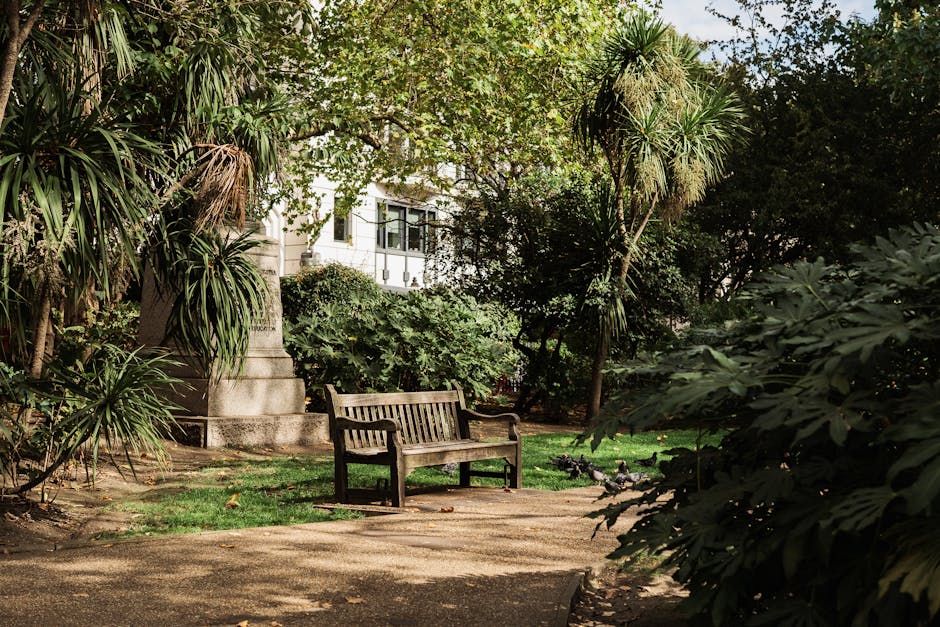
Rosslyn Hill and Flask Walk sit in a part of north London where gardens often have character before they have order. You might have mature trees casting shade across a lawn that never quite dries evenly. You might have brick walls, narrow borders, stepped access, or planting beds that get more wind than sunshine. In that kind of setting, generic garden care often falls short.
Local gardeners matter because they understand the balance between appearance, plant health, and practical upkeep. A garden here may need more than mowing and hedge trimming. It may need soil improvement, selective pruning, careful plant choice, container planting for tight areas, or a long-term approach to privacy and screening. One wrong cut on a mature shrub, and you're staring at a bare patch for months. Not ideal.
There's also the pace of life to consider. Many homeowners want a garden that looks presentable without constant fuss. That is where well-planned maintenance earns its keep. The garden stays usable, the front of the property looks cared for, and you're not left scrambling before visitors arrive or the weather turns.
In practical terms, this kind of service matters because it helps with:
- regular upkeep that prevents small issues becoming expensive ones
- planting choices suited to shade, wind, and limited space
- cleaner, safer outdoor areas for family use and everyday access
- better seasonal timing for pruning, feeding, mulching, and replanting
- a more polished finish that suits the character of Hampstead homes
If you want a deeper sense of how ongoing care fits together, it can help to look at structured garden maintenance in Hampstead alongside your seasonal priorities.
How Gardeners serving Rosslyn Hill and Flask Walk gardens Works
A good gardening visit rarely starts with the spade. It starts with observation. What is thriving? What is struggling? Where does the light fall through the day? Which areas dry out too quickly, and which stay damp after rain? These details shape everything else.
In a typical local visit, the process follows a sensible order. First comes a walk-through of the garden, often with a few practical questions about what you want to keep, change, or avoid. Then comes an assessment of priorities. Maybe the hedge is overgrown, maybe the lawn is patchy, maybe the patio needs cleaning, or maybe the garden just feels tired and unruly. After that, the work is planned in stages so the space can improve without being overworked in one go.
That step-by-step approach matters more than people think. A lot of poor garden results come from rushed decisions: cutting too much, planting the wrong thing in the wrong place, or trying to make a shady border behave like a sunny one. Gardening is partly art, yes, but it's also patience and sequence.
For example, if a front garden has compact planting and a boundary hedge, a tidy-up may involve hedge shaping, weed removal, mulch application, and a few well-chosen plants that can handle the existing conditions. If the rear garden is long and narrow, the work may focus on visual flow, storage, and softer planting layers rather than cramming in more features than the space can honestly hold.
For homeowners who want a broader service mix, browsing general gardening services in Hampstead can help you understand the range of tasks that usually sit under one roof.
Key Benefits and Practical Advantages
The clearest benefit is simple: the garden becomes easier to live with. That sounds obvious, but it is the whole point. A garden that is easier to manage tends to be enjoyed more often. You sit outside more. You notice plants looking better. You stop treating the space as a weekend burden.
There are also quieter advantages that matter over time.
- Better plant health: regular attention helps catch disease, pest pressure, and nutrient issues early.
- More usable space: pruning, edging, and sensible layout work make even small gardens feel larger.
- Improved kerb appeal: front gardens shape first impressions fast, especially on elegant streets like these.
- Less waste: a maintained garden usually needs fewer emergency interventions than a neglected one.
- Safer movement: clear paths, level edges, and well-kept surfaces reduce slips and trip hazards.
There is a comfort factor too. A neat garden can make a house feel more settled. On a damp February morning, when the borders are clipped, the paths are clean, and the structure still shows through, the whole place feels looked after. Small thing, maybe. But not really.
Many people also discover that a good gardener can reduce the mental load of ownership. You don't have to remember which shrubs need deadheading, whether the lawn needs feeding, or why the ivy suddenly looks determined to take over the fence.
And if privacy is part of the brief, options like evergreen screening or boundary planting can make a very noticeable difference. For that, swift-growing hedge ideas are worth considering as a design direction, especially in gardens that feel overlooked.
Who This Is For and When It Makes Sense
This service makes sense for a wide range of homeowners and tenants, but it is especially useful if your garden falls into one of these groups:
- busy households that want regular upkeep without spending every Saturday outside
- small gardens that need smart design rather than heavy-handed changes
- shaded gardens where plant selection is critical
- properties with mature hedging, climbers, or established trees
- gardens recovering from a long period of neglect
- homes preparing for sale, rental photos, or family events
- pet-friendly gardens that need durable surfaces and safer planting
It also makes sense when you have one recurring problem that keeps coming back. Maybe the lawn won't thicken. Maybe ivy has crept too far. Maybe weeds are winning in the borders no matter how often you pull them. Or maybe the garden just needs a proper reset, and you've reached the point where "I'll get to it next weekend" is no longer convincing anyone, including yourself.
People often wait too long because the garden still looks "mostly fine" from the back door. Then spring arrives, growth surges, and the job becomes twice as large. Truth be told, that happens a lot.
Step-by-Step Guidance
If you are planning work in Rosslyn Hill or Flask Walk gardens, the smartest approach is usually structured rather than reactive. Here is a practical sequence that works well in real life.
- Survey the space carefully. Look at light, shade, drainage, access, wind, and how often the garden is actually used.
- List the priorities. Separate urgent jobs from improvement jobs. Dead branches and trip hazards come before decorative tweaks.
- Decide what should stay. Mature plants, boundary shrubs, and established climbers can often be shaped rather than removed.
- Clear the obvious clutter. Remove weeds, fallen material, broken pots, and anything blocking access.
- Restore structure. Prune hedges, neaten edges, redefine beds, and make the overall layout readable again.
- Improve the soil. Add organic matter, mulch, or compost where needed so plants are not just surviving, but actually growing.
- Replant with purpose. Choose plants that suit the site instead of fighting it. Shade-loving, drought-tolerant, or wind-resilient selections often work best.
- Finish with maintenance rhythm. Set a sensible schedule for mowing, trimming, deadheading, watering, and seasonal checks.
A useful example: a small rear garden with patchy grass, ivy on the boundary, and a tired border might be transformed by clearing the ivy carefully, improving the soil, replacing weak lawn sections, and adding a few layered shrubs plus seasonal pots. It may not sound dramatic on paper, but the effect can be surprisingly fresh.
If you are dealing with difficult wall space or a tight courtyard, the approach changes again. Vertical planting, climbers, and container displays can do more than a traditional bed ever could. That's where vertical gardening ideas can be especially helpful.
Expert Tips for Better Results
Here is where the local experience really shows. The best garden work in these streets tends to be quiet, disciplined, and a bit unglamorous. Not flashy. Just effective.
1. Work with the microclimate, not against it
Many gardens in this part of Hampstead have pockets of shade, reflected warmth from brickwork, or sudden wind exposure between buildings. Use those conditions as clues. A plant failing in one spot may thrive a metre away. Gardens are annoyingly precise like that.
2. Keep the structure visible in winter
Even when planting dies back, a good garden should still have shape. That means evergreen bones, trimmed hedges, attractive containers, and perhaps a climber or two that carries the space through the colder months. If you want practical seasonal support, it helps to study winter protection for garden plants before the first cold snap.
3. Don't overplant narrow spaces
A common mistake is trying to make a small garden do everything at once. Leave breathing room. It helps the plants, and it helps your eye. Empty space is not wasted space. Sometimes it is the thing that makes the whole garden feel expensive, even if it isn't.
4. Use repetition for calm
Repeating a limited palette of plants, materials, or container shapes gives even awkward gardens a sense of order. One-off specimen choices can work, but too many different ideas in one place can become visually noisy.
5. Stay ahead of weeds and pests
Small infestations are easier to solve than broad ones. Weed before seed set, inspect leaves regularly, and remove the cause of trouble before it spreads. A few fast pest-control principles are laid out in practical pest management advice.
6. Treat paths and hard surfaces as part of the garden
Clean paving, neat edging, and dry, safe walkways change the way a garden feels. A border can be lovely, but if the patio is slippery and leaf-stained, the whole thing feels half-finished.
Common Mistakes to Avoid
Gardens in Rosslyn Hill and Flask Walk often look deceptively manageable, which is exactly why mistakes happen. Everything seems close to hand, so people make quick choices. The trouble is, quick choices in gardening often stay visible for months.
- Cutting hedges too hard: some plants do not recover quickly from harsh pruning.
- Choosing plants for looks alone: if the site is shady, windy, or dry, appearance is only half the story.
- Ignoring drainage: waterlogging can quietly ruin roots before symptoms become obvious.
- Using too many styles: mixing formal, cottage, tropical, and minimal design ideas in one compact space can feel messy.
- Neglecting maintenance after a makeover: a good garden transformation needs follow-through.
- Forgetting access and waste removal: it sounds minor until bags, cuttings, and equipment block the path.
Another subtle mistake is treating ivy or invasive climbers as harmless decoration. They can be beautiful, yes, but if they get into joints, fences, or tree stems, they can become a real maintenance burden. If that sounds familiar, this ivy removal guide is a sensible place to start.
And please, do not let "I'll sort it in the spring" become a lifestyle. We've all done it once. Maybe twice. But it does catch up.
Tools, Resources and Recommendations
The right tools make a bigger difference than people expect. A good gardener can do plenty with basic kit, but for larger or more detailed jobs, quality tools save time and improve finish.
| Task | Useful tools | Why it matters |
|---|---|---|
| Border upkeep | Hand fork, secateurs, edging tool, gloves | Keeps beds neat without damaging roots |
| Hedge trimming | Hedge trimmer, loppers, hand shears | Creates cleaner lines and better shape |
| Lawn care | Mower, aerator, rake, spreader | Supports healthier grass and better recovery |
| Patio cleaning | Scraper, brush, pressure-based cleaning where suitable | Improves safety and appearance |
| Planting and soil work | Spade, compost, mulch, watering can or hose | Helps roots establish well |
For homeowners deciding which jobs to outsource first, it often helps to start with the tasks that are physically demanding, time-sensitive, or technically risky. Hedge shaping, lawn treatment, and larger clearances are usually good candidates. If you are comparing options, lawn care in Hampstead can be a useful point of reference for turf-focused work, while regular lawn mowing support makes sense for ongoing upkeep.
For hard landscaping or worn surfaces, you may want to think about patio cleaning services or longer-term improvements through garden landscaping. If boundaries are part of the problem, fencing work can improve both privacy and structure.
Law, Compliance, Standards, or Best Practice
For most domestic garden work, the key issue is not red tape for its own sake; it is safety, competence, and sensible handling of the space. Good practice usually means protecting property, avoiding unnecessary damage, and being careful with tools, waste, and access routes.
In the UK, garden work should be approached with basic health and safety discipline, especially where ladders, heavy cutting tools, tree work, slippery paving, or waste movement is involved. If a job involves higher-risk work, it should be handled by someone who understands the risks and has appropriate insurance in place. That is common sense, really, but common sense is worth stating.
It also helps to be clear about expectations before work starts: what is included, how waste is dealt with, what access is needed, and whether any delicate plants or fixtures should be protected. Written terms and sensible communication prevent most disputes before they begin. For a broader sense of company standards, it can be useful to review insurance and safety information, plus the site's health and safety policy, terms and conditions, and privacy policy.
Accessibility is another quiet but important point. Narrow access, steps, and uneven surfaces can affect how work is done and how safely materials are moved. If you have specific access concerns, a company's accessibility statement can tell you how they think about those issues.
Options, Methods, or Comparison Table
Not every garden needs the same level of intervention. Sometimes a tidy seasonal refresh is enough. Other times, the garden needs a more structural approach. Here is a straightforward comparison.
| Approach | Best for | Strengths | Limitations |
|---|---|---|---|
| Routine maintenance | Gardens already in decent condition | Keeps things tidy, predictable, and manageable | Won't solve deeper layout or planting problems |
| Seasonal tidy-up | Overgrown or tired-looking gardens | Fast visual improvement and useful reset | May need follow-up work to stay effective |
| Targeted restoration | Problem areas like ivy, patchy lawn, or bad borders | Solves specific issues properly | Needs a clearer plan and more time |
| Full redesign | Gardens with poor flow or long-term neglect | Creates the biggest transformation | Costs more and requires the most planning |
For many Rosslyn Hill and Flask Walk properties, the sweet spot is somewhere between routine maintenance and targeted restoration. That is often enough to shift a garden from "we keep meaning to sort that" to "actually, this works now."
If you want inspiration for a more transformative approach, look at where to begin with garden makeovers. It helps frame the decision without making the process feel overwhelming.
Case Study or Real-World Example
Picture a modest back garden off Flask Walk: a patchy lawn, a congested evergreen hedge, a narrow side return, and a border that has slowly become a tangle of self-seeded growth. The garden is not a disaster. It just feels exhausted.
The first visit focuses on clearing access, checking the hedge line, and identifying plants worth keeping. The lawn is scarified lightly, aerated where needed, and reseeded in the weaker areas. The borders are reshaped, weeds removed, and the soil improved with compost and mulch. A few shade-tolerant plants are added near the wall, while the sunnier edge gets a more robust planting mix. Finally, the patio is cleaned so the outdoor area feels like a real extension of the house rather than a leftover slab.
What changes most? Not just the look. The feel.
By the end, the space is easier to walk through, easier to water, easier to keep tidy, and more likely to be used. The owners can sit out with a coffee on a mild morning instead of staring at a list of jobs. That may sound simple, but simple is often the win.
There is also a practical lesson here: the best results came from a sequence of decisions, not one dramatic act. Good garden work is like that. A little less theatre, a little more method.
For a similar pet-friendly redesign approach, you may also find ideas for a dog-friendly garden useful if your household includes a four-legged digger with opinions.
Practical Checklist
Use this before booking work or planning a seasonal refresh.
- Check which areas get shade, sun, wind, and standing water.
- Identify any overgrown hedges, climbers, or shrubs.
- Decide whether the main issue is maintenance, restoration, or redesign.
- List plants you want to keep, move, replace, or remove.
- Look for trip hazards, slippery paving, and blocked access routes.
- Confirm whether waste removal is needed.
- Think about privacy, screening, and boundary treatment.
- Consider how much time you can realistically spend maintaining the garden.
- Set aside a seasonal plan for mowing, pruning, feeding, and cleaning.
- Ask for a clear, itemised quote if work is being commissioned.
If your garden has awkward levels or limited room to add planting beds, it may be worth revisiting the idea of containers. A well-chosen pot arrangement can do more than a cramped border ever could. For that, container gardening ideas can be surprisingly useful.
Quick takeaway: the most successful gardens in Rosslyn Hill and Flask Walk are usually the ones that suit the site, respect the light, and stay on a manageable maintenance rhythm. Fancy is optional. Fit is everything.
Get a free quote today and see how much you can save.
Conclusion
Gardeners serving Rosslyn Hill and Flask Walk gardens are not just there to "keep things neat". The real value is in understanding the local conditions, making practical decisions, and shaping outdoor spaces that look good and stay workable through the seasons. Whether your garden needs regular care, a one-off restoration, or help with a particular issue like hedges, lawn wear, or difficult shade, the right approach will always be the one that fits the space honestly.
In a part of London where gardens are often compact, characterful, and a bit unforgiving, thoughtful maintenance goes a long way. It keeps the place feeling alive without making you work for every square foot of it. And that, frankly, is the kind of gardening most people can live with happily.
So start with the basics, be realistic about the site, and choose improvements that make the garden easier to enjoy. The calm you create will be worth it.

Jennifer, a professional gardener with years of expertise, delivers a wide array of landscaping and gardening services. Additionally, her prowess extends to writing, particularly in the domain of Eco-friendly gardening.