Gardeners for Kenwood House borders and estate planting
Posted on 19/10/2026
Kenwood House borders ask for a different kind of gardening. They need to look composed from a distance, feel rich up close, and stay reliable through the messy realities of London weather, changing light, and regular foot traffic. Gardeners for Kenwood House borders and estate planting are expected to balance all of that without making the space feel stiff or over-managed. It sounds simple enough. It rarely is.
In a place like Kenwood, the planting has to work as part of a larger landscape story: structure, seasonal colour, soil health, visibility, and access all matter. The best border work is not just about choosing pretty plants. It is about rhythm, scale, maintenance planning, and knowing when to edit rather than add. This guide walks through the practical side of estate planting, border care, and the decisions that keep a historic landscape looking calm, generous, and alive.
For readers exploring wider garden upkeep alongside this kind of specialist work, it can help to understand the broader maintenance picture too, from routine garden maintenance to larger landscaping projects and even tree surgery where canopy balance affects light and planting below.
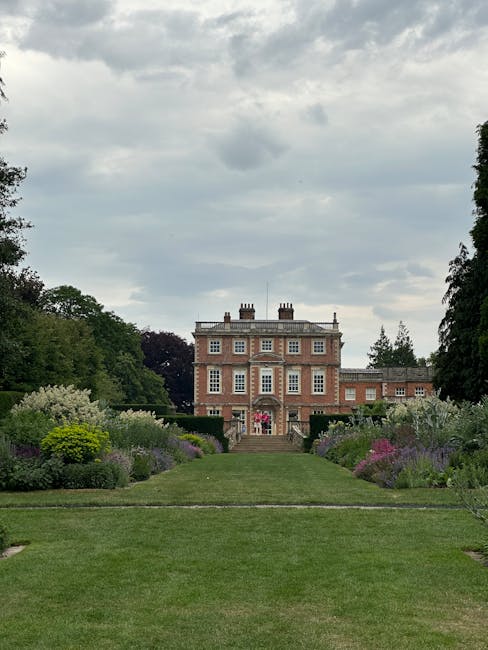
Why Gardeners for Kenwood House borders and estate planting Matters
Border planting in an estate setting does more than decorate. It sets the tone for the whole site. Visitors notice it first, often before they understand why it feels right. That sense of order comes from plant structure, repetition, and maintenance discipline. If borders are too crowded, the space can look fussy. If they are too sparse, the landscape feels unfinished. There is a fine line, and not every gardener gets it right on the first pass.
Kenwood House is the sort of place where planting has to respect heritage, sightlines, and use. Borders must support the character of the grounds rather than compete with it. That means working with mature trees, shifting shade, seasonal changes, and areas that may be dry under canopy or exposed on open edges. It also means understanding the day-to-day reality of weeding, staking, mulching, deadheading, and replacing plants that simply do not settle in.
Estate planting matters because it carries a long-term responsibility. A good border can look elegant in spring and still hold shape in late autumn. A weak design, by contrast, can unravel quickly after one hard frost, one windy spell, or one enthusiastic burst of summer growth. You see the difference most clearly in the shoulder seasons, when structure has to do the heavy lifting.
There is also a public-facing element. A well-managed estate border quietly tells people the site is cared for. It invites slower walking, closer looking, and a bit of respect. That is not an accident. It is the result of planning, repetition, and regular attention.
How Gardeners for Kenwood House borders and estate planting Works
The process usually starts with a site reading rather than a plant order. Good gardeners look at aspect, soil condition, moisture levels, wind exposure, drainage, and the effect of nearby trees or walls. In a historic landscape, they also look at the relationship between the planting and the built setting. It is not only horticulture; it is composition.
From there, the border is usually broken into functional zones. A front edge may need tidy, low-growing plants that define the line. The middle layer often carries seasonal interest and texture. The back layer needs height, backbone, and plants that can hold a view without collapsing into themselves. For estate planting, these layers often repeat in measured drifts so the eye gets a sense of unity rather than clutter.
Then comes the maintenance plan. This part gets overlooked too often, which is a shame because it decides whether the scheme thrives or turns into a weekly scramble. A border that depends on constant rescue is usually the wrong border. The right one is designed with maintenance hours in mind: what needs cutting back, what self-seeds too enthusiastically, what needs feeding, and what can be left to settle.
Plant selection is only half the story. Timing matters just as much. Bare-root planting, container plants, divisions, and seasonal replacements all behave differently. Soil preparation is another quiet make-or-break factor. If the ground is tired, compacted, or low in organic matter, the plants will tell you fairly quickly. A good team will improve the soil before asking it to carry a big design.
If you want a wider sense of how professional planting decisions are made, some of the thinking overlaps with soil improvement using organic residue and ground covers that suppress weeds and knit a scheme together. Those ideas often carry straight into estate work, just at a grander scale.
Key Benefits and Practical Advantages
There are obvious aesthetic benefits, of course, but the practical gains matter just as much. A strong border reduces weed pressure, helps the site look intentional through winter, and makes routine maintenance more predictable. That predictability is priceless in a place with a lot to manage.
- Clear visual structure: Borders create definition, leading the eye and supporting the wider landscape layout.
- Seasonal continuity: With careful layering, something is always happening, even if it is only stem colour or winter form.
- Better biodiversity: Thoughtful planting can support pollinators, birds, and beneficial insects without looking wild or neglected.
- Lower maintenance risk: When plants are chosen for the site, there is less replacement work and less emergency trimming.
- Improved resilience: Estate planting planned for shade, wind, and soil type holds together better through difficult weather.
- More usable space: Borders can guide movement, soften hard edges, and make paths, seating, and focal points feel deliberate.
There is a quieter benefit too: consistency. On a large site, consistency is what stops the whole place from feeling patchy. One border may be in peak bloom while another is resting, but the overall impression still needs to be composed. That takes a disciplined eye.
If maintenance pressure is high, it is often worth pairing planting with dependable upkeep. Services such as lawn care and lawn mowing can keep the surrounding framework crisp so the planting reads as designed rather than merely grown.
Who This Is For and When It Makes Sense
This kind of work suits anyone responsible for larger gardens, heritage grounds, or landscaped areas that need to look refined all year. It is especially relevant where borders are visible from public walkways, event areas, terrace approaches, or key viewpoints. If the planting needs to say something about care and quality, then specialist gardeners make sense.
It also makes sense when the existing planting is technically healthy but visually tired. That happens a lot. The plants may be fine, but the composition has lost its shape. In those cases, the job is less about total replacement and more about editorial pruning, re-spacing, and judicious addition.
Another common scenario is seasonal inconsistency. Spring looks lovely, summer becomes crowded, and by autumn the border has turned heavy or leggy. If that sounds familiar, you are not alone. It is one of the most common issues in estate settings. The fix is often to rethink planting in layers and include more reliable structure.
It is also relevant where access is a concern. Larger sites often need clear routes for maintenance teams, safe working space for tools, and planting that does not sprawl into paths. Nobody wants a beautiful border that becomes a weekly obstacle course. To be fair, that gets old quickly.
Step-by-Step Guidance
- Assess the site honestly. Note sun, shade, drainage, wind, soil texture, and any pressure from roots or footfall. Do not guess. A lot of avoidable failure starts with assumptions.
- Define the purpose of the border. Is it for formal display, soft framing, biodiversity, seasonal colour, or all of the above? The answer shapes everything that follows.
- Clear and repair the ground. Remove weeds, improve structure, and add organic matter where needed. Borders planted into tired soil tend to struggle from day one.
- Choose the planting style. Formal, mixed, naturalistic, or a hybrid approach. Estate borders often work best when the style is controlled, even if the planting itself is full and varied.
- Pick plants for the location. Shade, dry shade, exposed ground, and heavier soil all need different plant choices. A beautiful plant in the wrong place is still the wrong plant.
- Plan height and spacing. Think in layers and leave room for maturity. Overcrowding may look lush at first, then become a chore.
- Mulch and water in well. New planting needs a decent start. Mulch helps with moisture retention and weed suppression; watering helps roots settle.
- Set a maintenance rhythm. Cut back, deadhead, stake, divide, and top up mulch at sensible intervals. This is where most estate planting wins or loses its shape.
One thing worth saying plainly: a border is not finished when it is planted. It is finished when it has survived a season and still looks like itself. That is the real test.
Expert Tips for Better Results
Small choices create the biggest difference in estate borders. That sounds almost too neat, but it is true. A few practical habits make large planting schemes much easier to live with.
First, repeat plants intelligently. Repetition is what gives a big border coherence. You do not need a rigid grid, just enough recurrence to connect one section to the next. This is especially useful where the garden is viewed in passing rather than from one fixed point.
Second, leave breathing room. Mixed borders often fail because they are packed too tightly. In the first year they look full. In year two they begin to compete. By year three everyone is trimming to survive. A little room now saves a lot of grief later.
Third, think beyond flowering. Stems, seed heads, leaf shape, bark, and winter outline all matter. In a setting like Kenwood House, the non-flowering months are not downtime; they are part of the display.
Fourth, use seasonal editing rather than panic replanting. Sometimes a border just needs a light hand: lifting a congested clump, moving a weak performer, or adding one strong structural plant. Not every problem needs a full reset. Honestly, that would be exhausting.
Fifth, watch for hidden competition. Nearby tree roots, dry shade, and heavy canopy all change what will thrive. If you are dealing with those conditions, related guidance on hardy climbers for difficult shade can be useful when vertical structure or wall cover is part of the broader plan.
And yes, keep an eye on pests. Large planting schemes can hide early damage until it spreads. A quick look under leaves and around tender new growth is worth more than a long apology later. If you want a practical refresher, simple pest control advice is worth keeping in mind.

Common Mistakes to Avoid
The most common mistake is designing for the photo rather than the season. A border that looks dramatic for two weeks and awkward for the rest of the year is not a good estate border. It is a short-lived performance. Nice for a minute, then a burden.
Another issue is mismatching plant vigour. Fast growers can swallow slower neighbours, especially in fertile ground. That creates uneven maintenance and forces repetitive cutting back. If one plant is always winning, the composition usually needs adjusting.
People also underestimate access. If a bed is impossible to reach cleanly, it will not stay clean. Edges need to be reachable, and maintenance routes need to be realistic. A glamorous scheme that blocks its own upkeep is a familiar headache in large gardens.
Here are a few others worth watching:
- Overusing tender plants in exposed spots
- Ignoring soil improvement before planting
- Allowing self-seeders to run unchecked
- Choosing colour without considering texture or height
- Forgetting winter structure
- Letting weeds establish in the first year
One more, quietly important: do not let ivy or woody spreaders take over nearby features. If that is already happening, a methodical approach such as this ivy removal guide can help prevent long-term damage to borders, walls, and trees.
Tools, Resources and Recommendations
For border and estate planting, the tools do not need to be flashy. They need to be reliable, comfortable, and suitable for repeated use. A good team usually works with a small, sensible kit rather than too many gadgets rattling around in a box.
- Spades and border forks: For planting, lifting, dividing, and improving soil.
- Secateurs and loppers: Essential for deadheading, cut-back, and light reshaping.
- Stakes and soft ties: Useful for tall perennials or newly established shrubs.
- Mulch and compost: Not tools exactly, but they are part of the work and should never be treated as an afterthought.
- Wheelbarrow and trug: Simple, but you will miss them immediately if they are not there.
- Watering kit: Especially important during establishment and dry spells.
In planning terms, it helps to use a planting approach that mirrors the needs of the site. Where light is limited, durable shade-tolerant plants are often a better call than chasing novelty. For decorative structure in awkward places, vertical planting can make a big difference, and vertical gardening ideas can offer useful thinking where walls, fences, or screens are part of the scheme.
For teams comparing broader service support, it is often sensible to look at overall gardening services alongside more specific support like hedge trimming and landscaping, because borders rarely exist in isolation. They sit inside a bigger landscape machine.
Law, Compliance, Standards, or Best Practice
For estate gardening, compliance is mostly about sensible working practice, site safety, and respect for the setting. If a garden is part of a heritage landscape or public-facing site, teams should be careful around access, protected features, working methods, and plant selection. The exact requirements vary by site and situation, so it is wise to check the relevant site rules rather than assume.
At a practical level, good practice usually includes safe manual handling, proper tool care, sensible ladder use, clear pedestrian management, and a plan for working near trees, walls, and water features. In larger properties, coordination matters as much as skill. A border team that works cleanly alongside other contractors avoids a lot of friction.
Trust also depends on the basics being in order. Clear terms, sensible insurance, and a straightforward complaints process matter more than they sound. They are not exciting, but they are part of professional standards. If you are comparing providers, it is fair to ask how they handle risk and communication. On the same note, a clear insurance and safety approach and transparent terms and conditions help set expectations from the start.
Accessibility is another quiet consideration. Paths, bed edges, and maintenance routes should not create barriers for visitors or staff. If a design needs to change to keep movement safer and easier, that is usually a better outcome than insisting on a layout that looks nice but causes trouble later.
Options, Methods, or Comparison Table
When planning borders and estate planting, the main decision is often not whether to plant, but how formal or relaxed the scheme should feel. A good gardener will often blend methods. Still, it helps to compare the broad options before committing.
| Approach | Best for | Strengths | Trade-offs |
|---|---|---|---|
| Formal border | Clear sightlines, heritage settings, strong symmetry | Elegant, controlled, easy to read from a distance | Needs careful maintenance and disciplined spacing |
| Mixed perennial border | Seasonal interest and biodiversity | Rich texture, long display period, adaptable | Can become messy if vigour is not managed |
| Naturalistic border | Looser, more ecological landscape areas | Soft look, good habitat value, lower visual rigidity | Can appear untidy if edges and repetition are weak |
| Structural planting with seasonal accents | Estate settings needing reliability | Strong year-round framework, easier to maintain | May feel conservative unless seasonal colour is planned well |
In practice, estate planting often works best with structural planting as the backbone, then seasonal accents added where people actually linger. That might be near paths, terraces, arrival areas, or seating spots. If you are trying to create places where people pause, the thinking behind comfortable seating areas often helps guide border placement as well.
Case Study or Real-World Example
Imagine a long border running beside a formal route through an estate garden. In spring, the display is good, but by mid-summer the centre of the bed begins to collapse visually. Tall stems lean out, lower plants get swallowed, and weeds start to appear in the open patches. Not disastrous. Just untidy enough that the whole line loses confidence.
A practical restoration would not begin with ripping everything out. First, the team would lift the weakest performers, reduce congestion, and check whether the soil had become compacted. Then they would re-establish a backbone of dependable shrubs or strong perennials, repeat a smaller palette of plants, and add a few seasonal highlights for lift. In the shadier pockets, shade-tolerant structure would replace plants that were always fighting the site. On the exposed end, sturdier choices would take over.
The visible change would not be dramatic overnight. That is the point. By the following season, the border would look calmer, deeper, and more intentional. Maintenance would also become simpler because the plants would no longer be fighting the conditions. A visitor would just notice that the garden feels settled. They may not know why. They will feel it, though.
That kind of result often pairs well with wider restoration thinking, especially where the whole garden needs a reset rather than a quick tidy. If that is the situation, garden makeover planning can be a helpful way to think about priorities before you start.
Practical Checklist
Use this as a quick pre-planting or review list for Kenwood House-style borders and estate planting:
- Have the light, shade, and wind conditions been checked on site?
- Has the soil been improved before planting?
- Are there enough repeated plants to create unity?
- Have mature sizes been allowed for, not just current sizes?
- Is there a winter structure as well as summer colour?
- Will maintenance access remain practical after planting?
- Are the chosen plants suited to the soil and moisture levels?
- Has weed suppression been built into the design?
- Are stakes, ties, and replacement plants planned for?
- Is the border balanced with the surrounding landscape and hard landscaping?
If your answer to several of those is no, do not panic. It just means the scheme needs a bit more thought before the shovel goes in. That is normal, and honestly, it saves time later.
For those looking to improve resilience as part of that planning, it can also help to review storm protection for gardens and ways to manage excessive wind, because exposed borders can unravel quickly if the site is not prepared properly.
Conclusion
Gardeners for Kenwood House borders and estate planting are really doing two jobs at once: keeping the landscape beautiful and keeping it workable. The best results come from patient site reading, sensible plant choices, tidy structure, and a maintenance rhythm that does not fight the garden's natural pace. A border should feel composed, not over-controlled. Alive, but not unruly. That balance is the whole art of it.
Whether the job is a full estate planting plan or a careful border refresh, the principles stay the same: respect the site, plan for maturity, and think beyond the first flush of colour. That is how a garden holds itself together through spring, summer, autumn, and those grey London mornings when everything looks a bit flat until the light shifts. Then suddenly, it works.
Get a free quote today and see how much you can save.
And if you are planning a bigger refresh or comparing service levels, it can help to learn more about the team behind the work through about us before you decide what comes next.


Jennifer, a professional gardener with years of expertise, delivers a wide array of landscaping and gardening services. Additionally, her prowess extends to writing, particularly in the domain of Eco-friendly gardening.