Gardeners for difficult access Hampstead mews and terraces
Posted on 12/11/2026
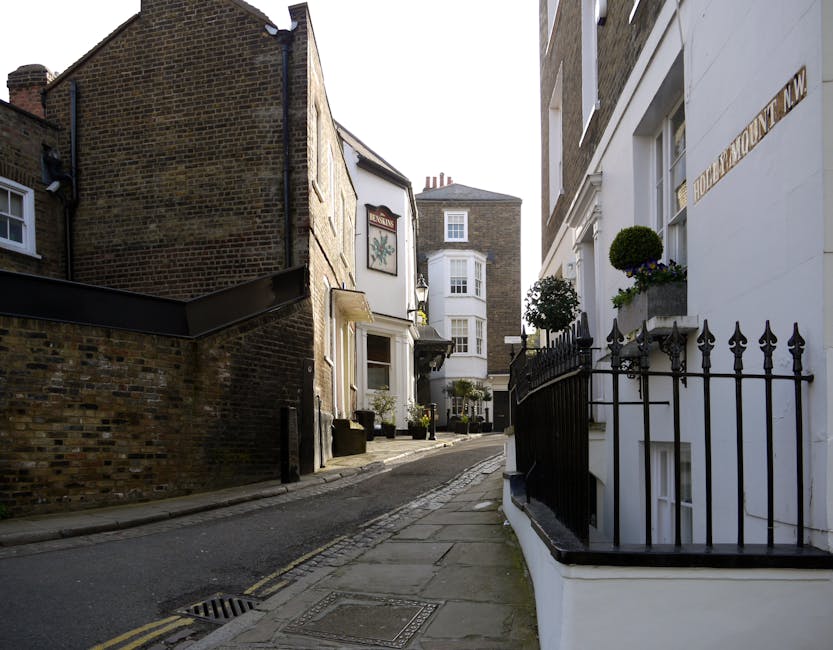
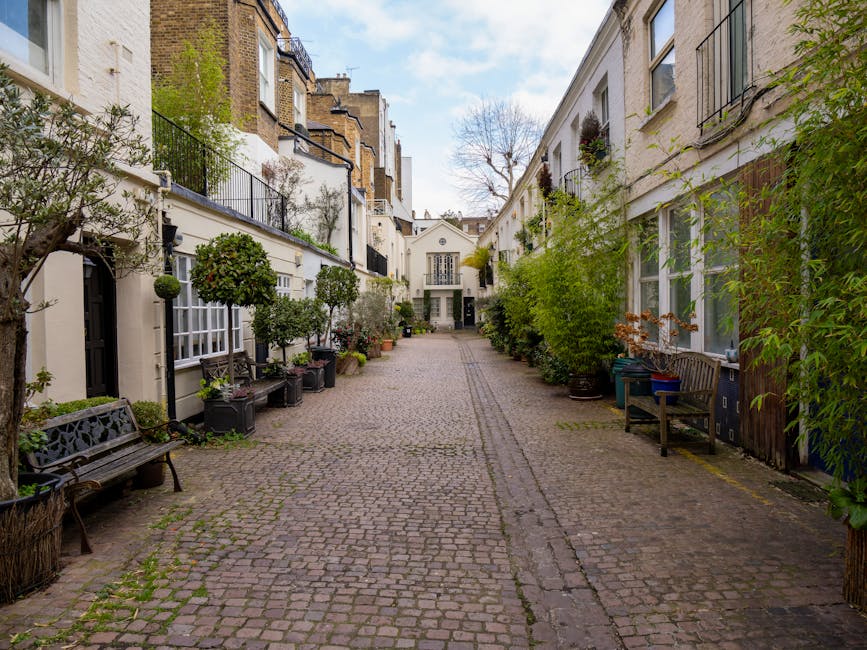
Some gardens look deceptively simple from the street, then you get inside and realise the real challenge is not the planting at all, it is getting to the planting. Narrow side passages, steep steps, awkward rear entries, shared access, basement courtyards, and long mews plots can turn ordinary maintenance into a careful logistical job. That is exactly where Gardeners for difficult access Hampstead mews and terraces become valuable: they plan the work around the access, protect the property, and still leave the space looking neat, healthy, and usable.
If you own or manage a Hampstead mews garden, a terrace with limited clearance, or a tucked-away courtyard reached by a narrow run of steps, this guide will walk you through what professional access-sensitive gardening actually involves, how it works, and what to ask for so the job is done properly. Truth be told, a lot of problems in these spaces come from rushing. Slow, tidy, thoughtful work usually wins.
Why Gardeners for difficult access Hampstead mews and terraces Matters
Difficult access changes everything. In a standard front or back garden, you can move materials, remove waste, and work with broad freedom. In a mews or terrace setting, every movement has to be thought through. A single wheelbarrow turn can bump a wall. A long hedge trimmer can feel clumsy on a tight landing. Even carrying soil bags or compost through a shared entrance can be awkward if it is not planned well.
That matters for three main reasons. First, the garden itself is more vulnerable. Tight spaces often sit close to walls, paving, windows, railings, and neighbour boundaries, so careless work can cause damage fast. Second, access affects cost and timing. Jobs that seem small can take longer if tools and waste need to be moved in stages. Third, these gardens often have design challenges baked in: shade from tall buildings, wind tunnels between terraces, limited storage, and patios that collect grime because they are half-sheltered.
In Hampstead, where a lot of homes combine character features with compact outdoor areas, the smartest approach is not brute force. It is precision. A gardener used to these conditions will notice things other people miss, like where damp gathers along a wall, which pots dry out first, or how a narrow passage affects plant choice. Those details matter more than they sound.
How Gardeners for difficult access Hampstead mews and terraces Works
The process usually starts with a proper look at access rather than the planting list. That sounds obvious, but many headaches begin when access is treated as an afterthought. A practical gardener will ask how entry works, where equipment can be parked, whether there are steps, whether the route is shared, and whether waste needs to be bagged and moved in smaller loads.
From there, the job is broken into manageable parts. For example, instead of bringing in every tool at once, the team may carry only what is needed for the first stage. Instead of filling one oversized bag with heavy cuttings, they may use several lighter loads. It is slower in one sense, but in reality it keeps the work safer and cleaner.
Common working methods include:
- using compact hand tools where powered equipment would be awkward
- choosing lightweight, modular materials for planting and mulching
- planning waste removal in stages to avoid blocking entrances
- protecting steps, paving, and decorative finishes during movement
- working in shorter, tidier sessions to reduce disruption to neighbours
For some gardens, it also means adapting the design itself. Vertical planting, container groupings, climbers, and compact evergreen structure can make a huge difference in a narrow terrace. If you want a deeper read on space-saving planting ideas, transforming walls into gardens with vertical planting is a useful related topic. And for tricky corners with low light, hardy climbers for shady spots can help you think beyond the usual bedding plants.
Key Benefits and Practical Advantages
The most obvious benefit is simply that the work gets done. But the real value is that it gets done without turning your mews or terrace into a temporary building site. That is a big difference.
Better protection for narrow routes and finishes. Skilled access-sensitive gardening reduces the risk of scratches, chips, muddy tracking, and accidental bruising to walls or planters. In tight spaces, one poor lift can do more damage than a full week of weather.
Less disruption to neighbours. Shared access is common in terraces and mews properties. A good gardener keeps noise, mess, and blocking to a minimum, which is not just polite, it is sensible. Nobody wants to be the person dragging a leaf blower through a courtyard at the wrong moment.
Smarter planting choices. Small or enclosed gardens often do better with layered planting, climbers, containers, and manageable evergreen structure. That means less congestion, better light flow, and a space that looks intentional rather than overcrowded.
More reliable maintenance. When a garden is hard to reach, people often put off the awkward jobs. That leads to bigger problems later: ivy takes hold, weeds seed, gutters and edges collect debris, and paving becomes slippery. Regular, access-aware maintenance stops the slow build-up.
Better use of every square metre. In a terrace garden, the right layout can make a tiny area feel calm and much more generous. Seating, screening, planting, and circulation all need to work together. If you are refining that balance, the ideas in garden seating area planning can be surprisingly useful.
Expert summary: In difficult-access gardens, good results come from planning first, moving carefully, and choosing plants and materials that suit the route as much as the site itself. The garden is only half the job; the access is the other half.
Who This Is For and When It Makes Sense
This kind of service makes sense if your garden has one or more of the following:
- a narrow side passage or shared entry
- steep or uneven steps
- a raised terrace with limited turning space
- a mews courtyard reached through a tight gateway
- a basement or sunken garden
- fragile paving, decking, or stonework that needs extra care
- limited storage for tools, soil, or green waste
- neighbours very close by, so noise and tidiness matter
It also suits people who want a garden maintained regularly but do not want the hassle of carrying materials, arranging waste, or dealing with the awkward bits themselves. Let's face it, not everyone has the time or the knees for that.
Owners of rental properties, small hotels, and managed homes often need this service too, because presentation matters and access can be unpredictable. The same applies to residents who travel frequently and need a garden that can be kept under control without becoming a burden.
If the space is also intended to be low-maintenance, it is worth reading up on low-maintenance garden ideas and container gardening, because these approaches are often a better fit than traditional borders in compact or awkward layouts.
Step-by-Step Guidance
If you are arranging work for a difficult access garden, the process is usually most successful when it follows a logical order. Here is a simple, practical way to think about it.
- Map the access. Note gates, steps, hallways, shared routes, parking limits, and any surface that needs protection.
- List the priorities. Decide whether you need clearance, pruning, weeding, planting, pressure cleaning, hedge trimming, or a fuller tidy-up.
- Identify risk points. Look for slippery paving, loose rails, delicate pots, overgrown ivy, or anything that could snag equipment.
- Choose the right method. Some jobs suit hand tools and careful shaping; others need specialist equipment, especially for larger shrubs or trees.
- Plan the waste route. Ask how cuttings and debris will be collected, bagged, and removed without blocking access.
- Protect the site. Covers, boards, and careful positioning help reduce damage to stone, decking, doors, and edging.
- Complete in stages if needed. For some gardens, a phased approach is simply safer and neater.
- Review the finish. Check edges, paths, drains, and access points before the team leaves.
A small example: a terrace garden with narrow rear access may look fine in winter but become clogged by mid-summer growth. In that situation, the best outcome is often a staged reset: remove overgrowth, improve the route, then redesign the planting so it stays manageable. The point is not to do everything at once. The point is to make the space easier to live with.
If you are dealing with overgrown areas, the article on where to begin in garden makeovers gives a sensible framework for starting without getting overwhelmed.
Expert Tips for Better Results
Here are the details that often separate a decent outcome from a really good one.
- Keep planting layered, not crowded. In tight spaces, one or two strong structure plants will usually work harder than five competing ones.
- Use containers strategically. Pots are not a compromise. In difficult access spaces, they are often the smartest way to control soil quality, moveability, and layout.
- Choose plants with predictable habits. Fast growth is useful, but only if it can be kept in shape. For privacy screens, see swift-growing hedges for privacy and then think carefully about maintenance needs.
- Work with the light, not against it. Terrace and mews gardens can have odd shadow patterns. Shade-tolerant climbers or ground covers often outperform thirsty sun-lovers.
- Make the route itself part of the design. A neat passage, clear step edges, and visible drainage can make the whole garden feel larger and safer.
- Stay on top of weeds early. In narrow beds, weeds are easier to remove when they are tiny. Leave them for a month and, well, they get ideas.
- Check seasonal stress points. Wind exposure, winter wet, and summer drought can all be more pronounced in enclosed or elevated spaces. The right protection matters.
For planting inspiration, the guides on ground covers and starting an herb garden can help you choose plants that earn their place. Small gardens reward usefulness.
Common Mistakes to Avoid
There are a few recurring mistakes we see in hard-to-reach gardens. They are easy to make, especially if you are trying to save time or keep costs down.
Using oversized plants or materials. That lovely specimen shrub may be ideal in theory, but if it cannot get through the access route without damage, it is the wrong choice. Same for awkwardly large sleepers, heavy pots, or bulky feature pieces.
Ignoring waste handling. Green waste is light until you try to move it down a narrow passage. Then it becomes a logistics issue. Planning removal is not glamorous, but it is essential.
Overlooking neighbour impact. Shared entrances, dust, noise, and temporary clutter can create tension. Good communication prevents a lot of unnecessary friction.
Forgetting the long game. It is tempting to cut everything back hard and call it done. But if the layout stays awkward, the same access problems return. A proper solution often includes better planting structure, easier edges, and simpler maintenance routines.
Choosing plants that fight the space. Some plants are simply too vigorous, too messy, or too thirsty for constrained sites. For example, if ivy has become a recurring issue, this ivy removal guide is a useful reminder that control has to be planned, not guessed.
And yes, sometimes the mistake is trying to do a bit too much in one visit. A garden can recover from a phased approach. It cannot always recover from a rushed one.
Tools, Resources and Recommendations
The best tool choice for difficult access work is usually the one that is easiest to carry, safest to manoeuvre, and least likely to damage surroundings. Big machines are not always better here. In fact, they can be a pain.
Useful tools and resources often include:
- compact hand pruners and secateurs
- lightweight loppers for controlled branch removal
- folding saws for tight-space tree or shrub work
- narrow, easy-carry green waste bags
- protective boards or coverings for paths and thresholds
- small wheelbarrows or garden carts for short internal runs
- labels or simple notes for staged planting plans
For a broader view of what tends to help in real garden work, this tools guide is worth a look. It is especially useful if you are trying to understand why a compact, well-chosen kit often beats a box of heavy extras.
In addition, if the space needs a softer, calmer feel, zen-style garden ideas can help you think about fewer, better elements rather than constant layering. That mindset suits terraces very well.
For seasonal planning, especially in exposed or higher-level gardens, winter plant protection and storm protection strategies are both practical references. The weather does not care how tight the access is.
Law, Compliance, Standards, or Best Practice
Garden work in difficult-access settings is not usually about complex regulation, but there are still important standards and duties to keep in mind. In the UK, safe working practice matters, especially where tools are carried through shared spaces, where ladders may be used, or where waste and plant material are moved around a property.
Good practice usually includes:
- keeping access routes clear and safe while working
- minimising the risk of slips, trips, and manual handling injuries
- using equipment appropriately for the space and task
- protecting surfaces, walls, and neighbouring property
- checking that any work on trees, hedges, or boundary features is suitable for the site
If a gardener is working near overhead lines, shared boundaries, or tall structures, caution is essential. For more demanding tree or hedge work, it is sensible to ask how the task will be managed and whether it fits the site conditions. You do not need jargon; you need a clear explanation.
It is also wise to look for transparent policies on safety, insurance, privacy, cookies, and terms before you book any work. Clear paperwork may not feel exciting, but it shows the business is organised. That matters when access is tricky and trust is a big part of the job. You can review site-wide information such as health and safety, insurance and safety, accessibility information, and privacy policy if you want a better sense of how professional standards are presented.
Options, Methods, or Comparison Table
Different access constraints call for different approaches. A quick comparison helps.
| Approach | Best for | Strengths | Limitations |
|---|---|---|---|
| Hand-tool maintenance | Tight courtyards, narrow passages, delicate finishes | Precise, quiet, low risk of damage | Slower on larger jobs |
| Compact powered tools | Medium-sized terraces with manageable access | Efficient for hedges, edging, and clearing | Needs careful handling and storage |
| Container-led design | Very limited soil depth or awkward ground layout | Flexible, easier to refresh, great for terraces | Needs regular watering and feeding |
| Phased restoration | Overgrown or neglected access gardens | Reduces overwhelm, easier budgeting, clear progress | Takes longer to reach the finished look |
In many Hampstead mews and terraces, the best answer is not one method on its own. It is a blend. A compact tool kit for maintenance, container planting for structure, and phased work for larger resets can be the most realistic combination.
If you are considering a full tidy-up, beginner-friendly gardening tips can also help homeowners understand the basics before committing to a bigger plan.
Case Study or Real-World Example
A typical difficult-access job might involve a rear terrace with a narrow house-side passage, two small steps down to the garden, and a long wall that traps damp. The space has a few tired shrubs, paving that has started to slip under moss, and a couple of large pots that are planted well but positioned badly, so they narrow the route even more.
The first visit focuses on access: clearing the route, protecting the paving, removing dead material, and identifying what can stay. Then the planting is simplified. One overgrown shrub is reduced or removed, one wall is used for climbers, and the floor area is kept lighter with pots that can be moved if needed. A little patch of lawn is not forced where it does not belong. That is important. Not every garden needs a bit of lawn just because people expect one.
Over the next few visits, the space becomes easier to move through. The paving is cleaner, the walls feel less claustrophobic, and the planting looks deliberate rather than packed in. The owner gains something very practical: a garden that can actually be maintained without dread. That is the real win. Not drama, just calm.
For follow-up care, services like garden maintenance, lawn care, patio cleaning, and hedge trimming can all play a role, depending on what the space needs and how often it is used.
Practical Checklist
Use this before arranging work in a difficult-access Hampstead mews or terrace garden.
- Measure the narrowest access points, not just the main gate.
- Note any steps, slopes, or uneven surfaces.
- Identify fragile surfaces that need protection.
- Check whether green waste can be removed in one go or needs staged clearance.
- List the jobs in order of importance.
- Decide whether you want maintenance, restoration, or redesign support.
- Flag any neighbour or shared-access sensitivities early.
- Think about seasonal pressures such as wind, shade, or winter wet.
- Choose plants that suit compact conditions and realistic upkeep.
- Ask how the work will be kept tidy from start to finish.
It sounds simple, but a good checklist saves time. More importantly, it stops you from booking a service that is fine in theory and awkward in practice.
Conclusion
Gardeners for difficult access Hampstead mews and terraces are not just about getting into a tight space. They are about understanding how that space behaves, what can safely move through it, and how to turn access problems into a workable maintenance plan. In a place like Hampstead, where charm often comes with narrow routes, shared entrances, and compact outdoor areas, that kind of care makes all the difference.
The best results usually come from calm planning, sensible plant choices, and steady upkeep rather than big, dramatic interventions. Once the access is respected, the garden starts to feel easier. And once a garden feels easier, people actually enjoy it again. That is the bit everyone wants, really.
Get a free quote today and see how much you can save.
If you are comparing providers or simply trying to understand what a professional approach should look like, it is worth learning a little more about the team behind the work through about the company, as well as the practical information on pricing and quotes and payment and security. A clear process tends to be a reassuring sign.

Jennifer, a professional gardener with years of expertise, delivers a wide array of landscaping and gardening services. Additionally, her prowess extends to writing, particularly in the domain of Eco-friendly gardening.